

The Essentials of Sewer Scope Inspection Basics
When buying a home, you want to be sure everything is in good shape. One part of the house that often gets overlooked is the sewer line. A sewer scope inspection can reveal hidden problems that might cost you a lot later. I want to guide you through the essentials of sewer scope inspection basics. This way, you can feel confident about your investment and avoid surprises.
Understanding Sewer Scope Inspection Basics
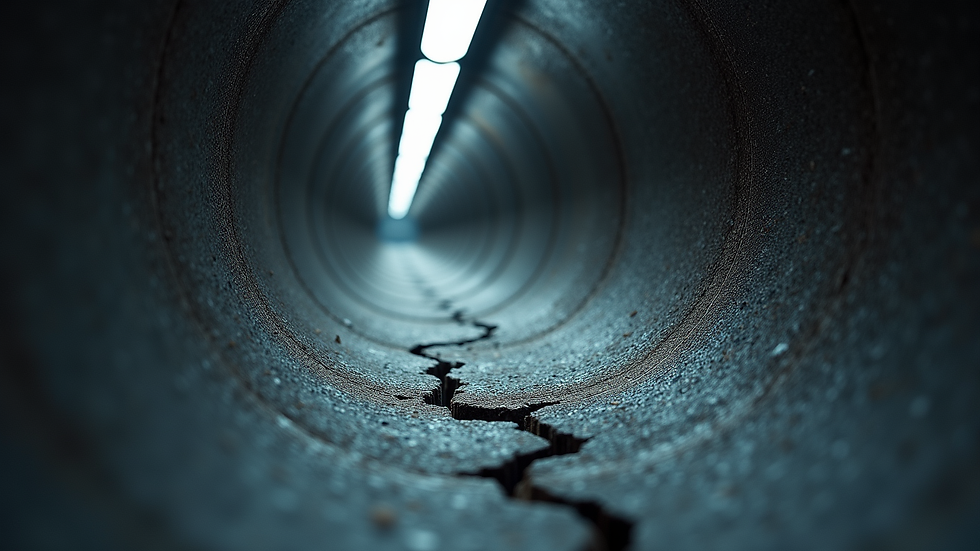
A sewer scope inspection is a specialized check of the sewer line that runs from your home to the main sewer system. It uses a small camera to look inside the pipes. This helps find cracks, blockages, or other damage that you cannot see from the outside.
This inspection is important because sewer problems can cause serious damage. They can lead to backups, leaks, and costly repairs. Knowing the condition of the sewer line before buying a home can save you money and stress.
If you want to learn more about the details, here is a helpful link explaining what is a sewer scope inspection.
Why Sewer Scope Inspections Matter
Prevent costly repairs: Fixing sewer lines can be expensive. Early detection helps avoid big bills.
Avoid health risks: Sewer leaks can cause mold and bacteria growth.
Negotiate better deals: If problems are found, you can ask for repairs or price adjustments.
Peace of mind: Knowing the sewer line is in good shape helps you feel secure in your new home.

What Happens During a Sewer Scope Inspection?
During the inspection, a professional will insert a waterproof camera into the sewer cleanout or a drain inside the home. The camera is attached to a flexible cable that moves through the pipe. The inspector watches a live video feed to check the pipe’s condition.
Here’s what typically happens:
Locate the access point: The inspector finds the cleanout or drain to insert the camera.
Insert the camera: The camera moves slowly through the sewer line.
Inspect the pipe: The inspector looks for cracks, roots, blockages, corrosion, or collapsed sections.
Record findings: The video is recorded for review and to share with you.
Report results: The inspector explains what was found and recommends any needed repairs.
This process usually takes about 30 to 60 minutes. It is non-invasive and does not damage your property.
Common Issues Found in Sewer Scope Inspections
Sewer lines can face many problems over time. Here are some common issues that a sewer scope inspection can reveal:
Tree root intrusion: Roots can grow into pipes, causing blockages and cracks.
Pipe corrosion: Older pipes made of metal or clay can corrode and weaken.
Cracks and breaks: Pipes can crack due to shifting soil or age.
Blockages: Debris, grease, or foreign objects can clog the line.
Collapsed pipes: Pipes may collapse from pressure or damage.
Improper slope: Pipes need a slight slope to flow properly. If not, backups can occur.
Knowing about these issues early helps you plan repairs or replacements before they become emergencies.
How to Prepare for a Sewer Scope Inspection
Preparing for a sewer scope inspection is simple but important. Here are some tips to get ready:
Locate the cleanout: Make sure the inspector can easily find the sewer cleanout or access point.
Clear the area: Remove any obstacles around the cleanout or drains.
Avoid using water: Try not to use sinks, toilets, or showers right before the inspection.
Inform the inspector: Let them know if you have had previous sewer problems.
Schedule at the right time: Choose a time when the home is empty or quiet for better inspection conditions.
These steps help the inspection go smoothly and provide accurate results.
What to Do After a Sewer Scope Inspection
Once the inspection is complete, you will receive a detailed report. This report includes video footage and notes on the pipe’s condition. Here’s what you should do next:
Review the report carefully: Understand any issues found and their severity.
Ask questions: Don’t hesitate to ask the inspector for clarification.
Get repair estimates: If problems exist, get quotes from licensed plumbers.
Negotiate with the seller: Use the inspection results to discuss repairs or price adjustments.
Plan for maintenance: Even if the sewer line is in good shape, regular maintenance helps prevent future problems.
Taking these steps ensures you make informed decisions and protect your investment.
Trusting the Right Professionals for Sewer Scope Inspections
Choosing a reliable inspector is key. Look for someone with experience and good reviews. A professional will provide a thorough inspection and clear explanations.
Remember, a sewer scope inspection is a smart step in the home buying process. It helps you avoid costly surprises and gives you confidence in your new home.
If you want a trusted partner for your home inspections in New Jersey and Pennsylvania, consider working with experts who care about your peace of mind.
By understanding the essentials of sewer scope inspection basics, you can protect your home and your wallet. Take the time to get this inspection done. It’s a small step that makes a big difference.


Comments